Millennium
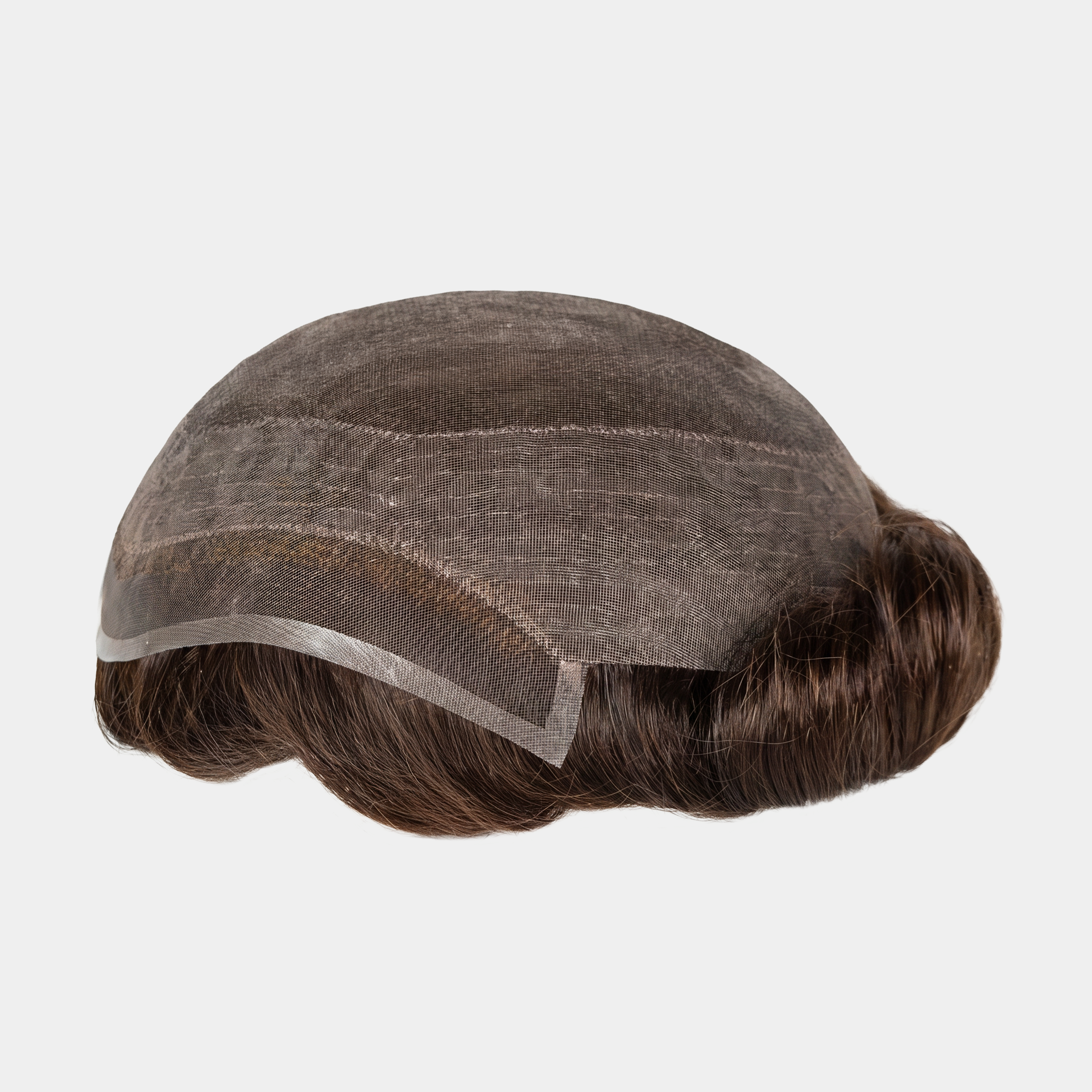
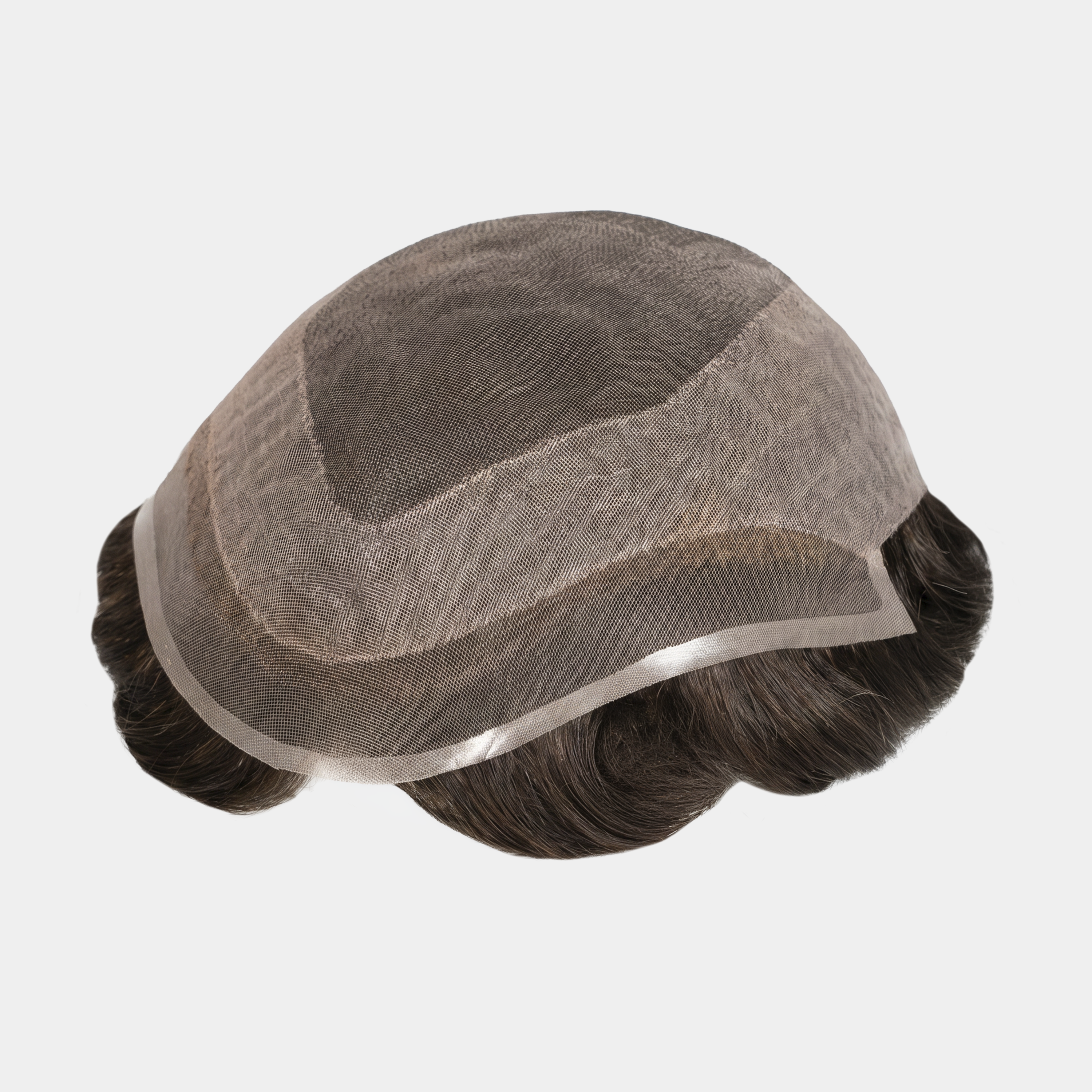
The Millennium system features premium human hair hand-tied to a sturdy fine-monofilament center, engineered for dependable multi-month durability. Enduring sophistication and structural stability.
Specifications
| Collection: | Elite M Class® |
| Hair Fiber: | Human hair; gray hair is either synthetic or human. |
| Base Type: | Lace, Fine Mono |
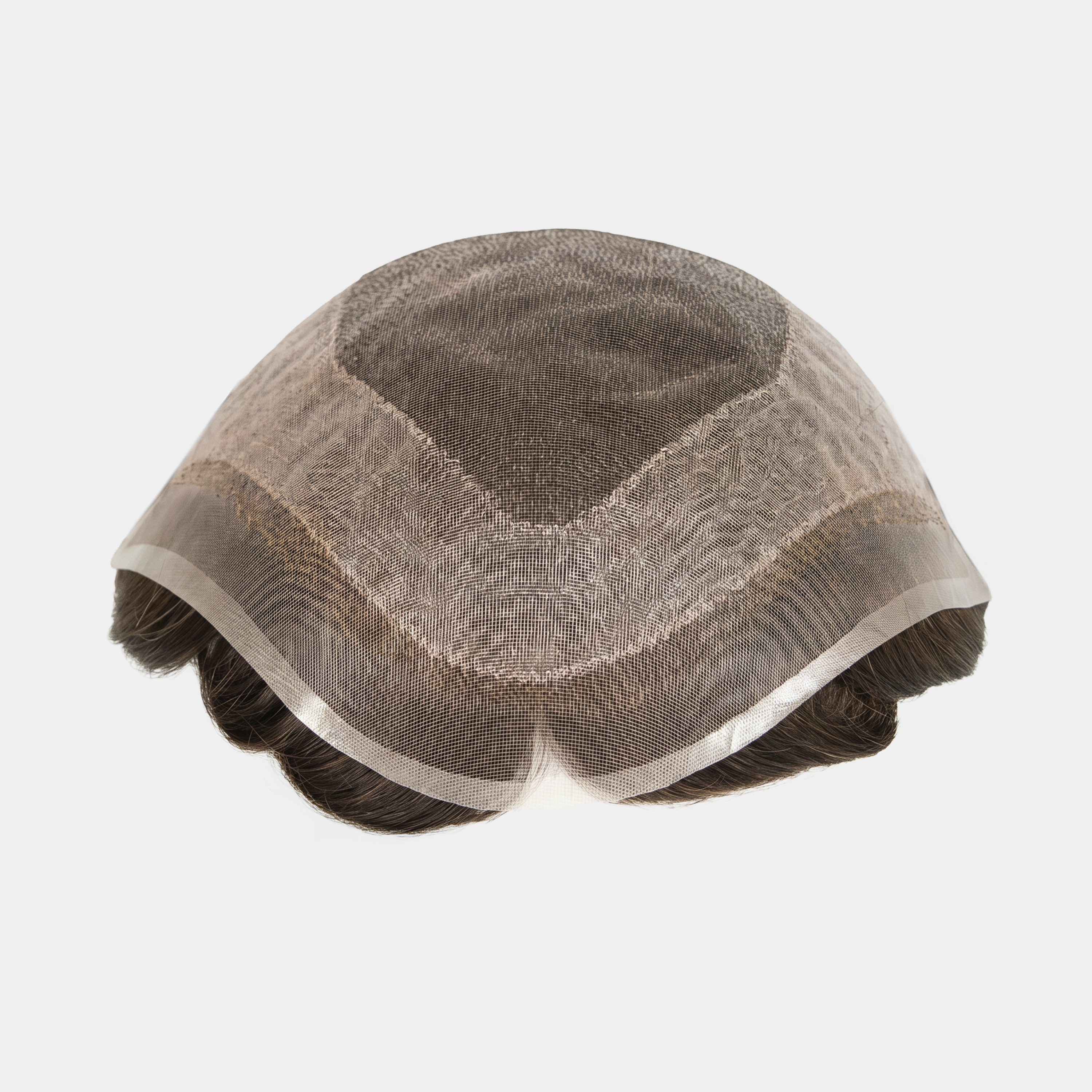
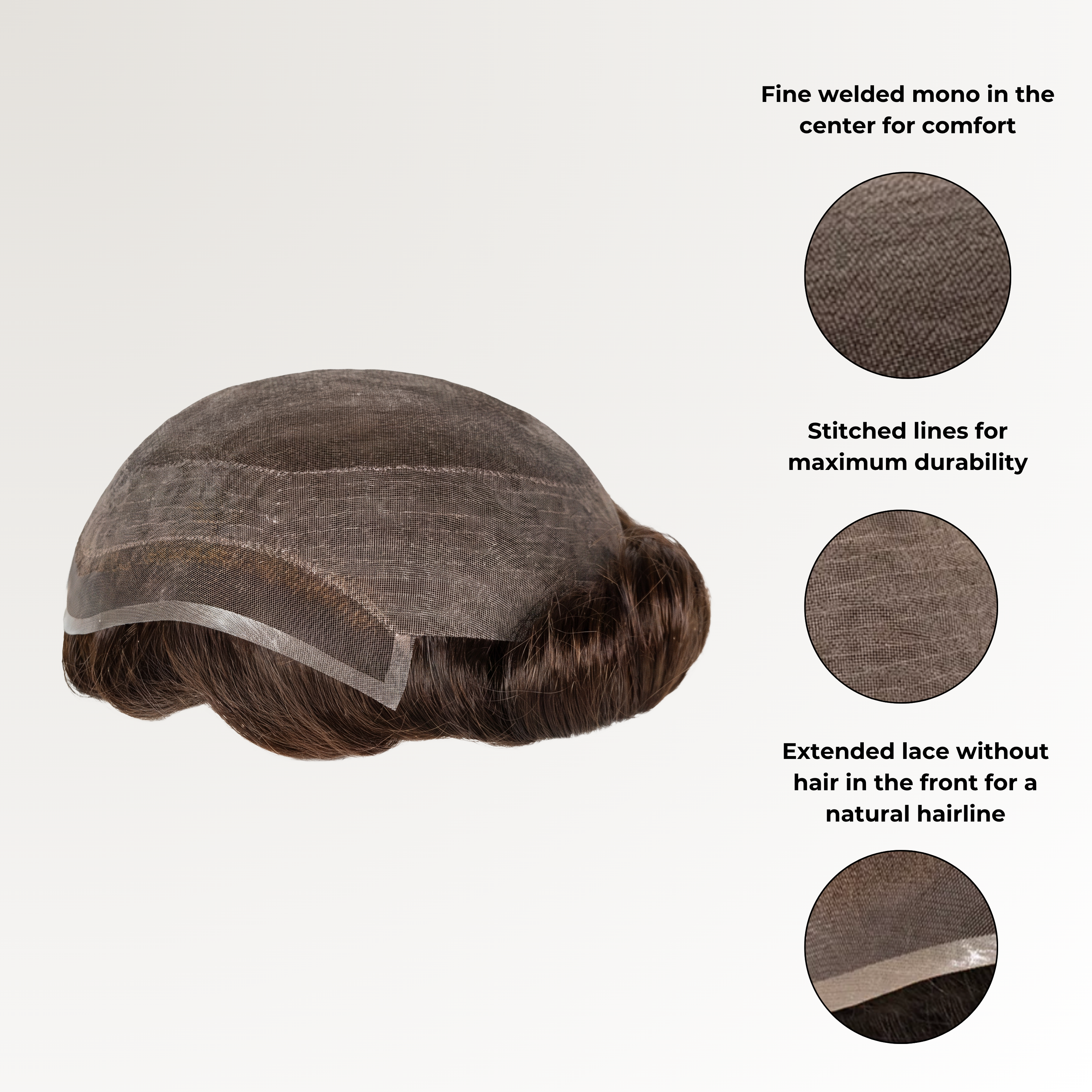
| Base Details: | Fine welded lace base; 1/2" extended lace in the front w/o hair; Double layer fine welded mono 1" front, 2" on sides and 2 1/2" in the back; Patented stitched contour lines |
| Base Size: | 7 1/2" x 9 3/4" |
| Hair Length: | 5"-6" |
| Lifespan: | 3-4 per year |
| Wave Pattern: | Light wave throughout |
| Hair Direction: | Freestyle |
| Hair Density: | Light, Extra light in front |
Details
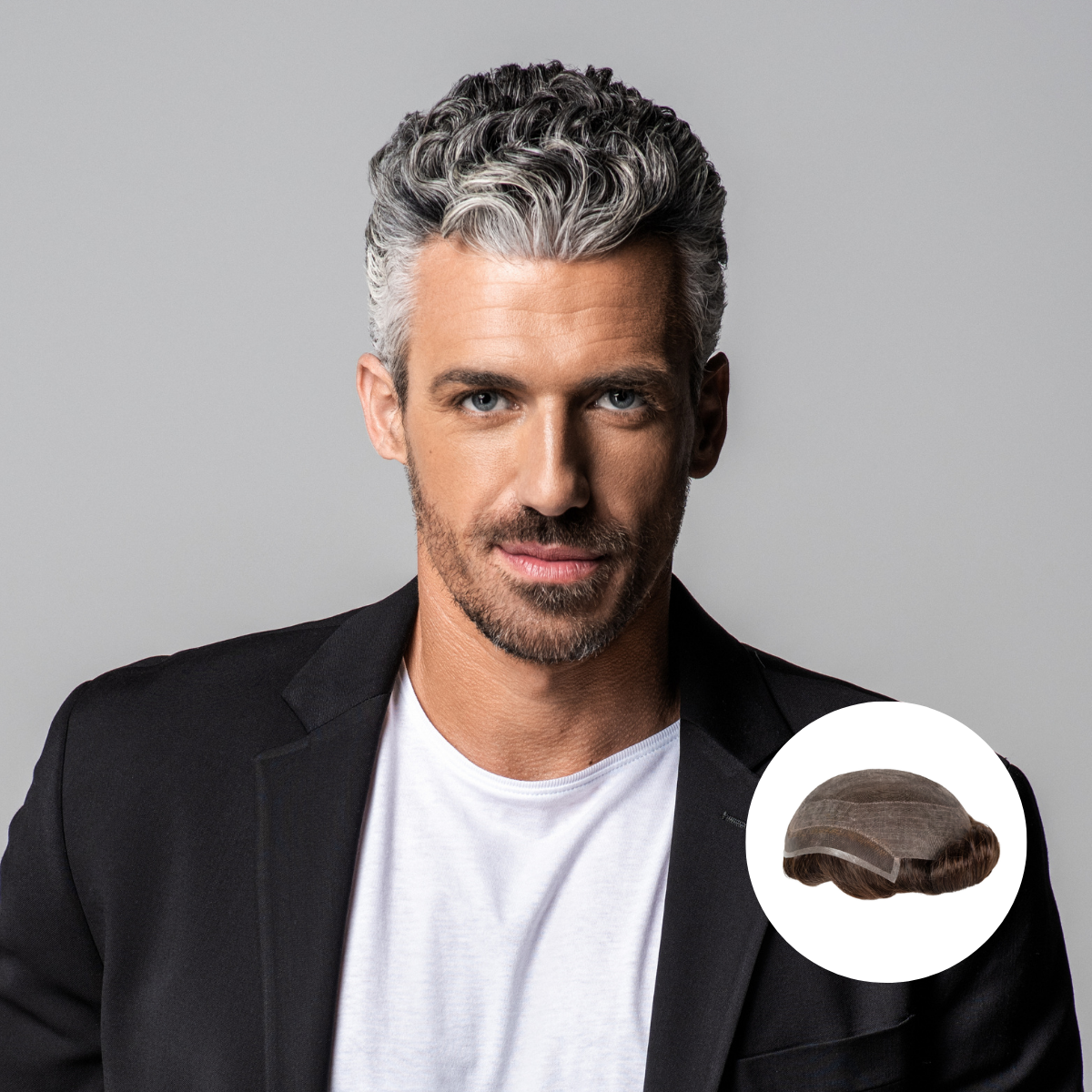
Crafted for the client who demands a robust, long-lasting structure paired with a sophisticated appearance, the Millennium Hair System stands as an industry workhorse. This system utilizes a high-tensile fine monofilament core that handles higher density hair distributions beautifully while creating an authentic top-down scalp appearance. Surrounded by a smooth poly skin tracking perimeter, it simplifies multi-week adhesive cleaning and edge security.


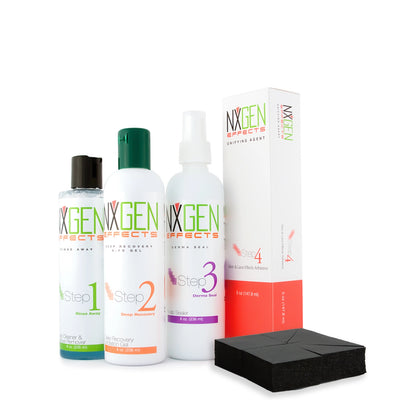
Build Your Routine
Cleanse. Bond. Maintain.
FAQ
What is a combination unit?
A combination (hybrid) unit blends two or more base materials — for example, a lace front for a natural hairline paired with a more durable skin or mono interior — so you get the strengths of each in one system. It combines skin's ease with lace's breathability, which makes it a versatile all-rounder.
How do I maintain a combination unit?
Most combination units follow the same roughly 2–4 week maintenance service schedule.
Who is a combination unit best for?
It suits wearers who want a natural front hairline without giving up durability — a middle ground between an all-skin and an all-lace unit, and a safe choice if you're not sure which single material is right for you.
What adhesive should I use — tape or glue?
Combination units work with either, and both is common — many wearers tape the lace area and glue the skin area for the best of both.